Saturday, November 14, 2015

Health Benefits of Barley

Controls Blood Sugar Better

Dutch researchers used a crossover study with 10 healthy men to compare the effects of cooked barley kernels and refined wheat bread on blood sugar control. The men ate one or the other of these grains at dinner, then were given a high glycemic index breakfast (50g of glucose) the next morning for breakfast. When they had eaten the barley dinner, the men had 30% better insulin sensitivity the next morning after breakfast.

Lowers Glucose Levels
White rice, the staple food in Japan, is a high glycemic index food. Researchers at the University of Tokushima found that glucose levels were lower after meals when subjects switched from rice to barley.

Beta-Glucan Lowers Glycemic Index
Scientists at the Functional Food Centre at Oxfod Brookes University in England fed 8 healthy human subjects chapatis (unleavened Indian flatbreads) made with either 0g, 2g, 4g, 6g or 8g of barley beta-glucan fiber. They found that all amounts of barley beta-glucan lowered the glycemic index of the breads, with 4g or more making a significant difference.

Insulin Response better with Barley Beta-Glucan
In a crossover study involving 17 obese women at increased risk for insulin resistance, USDA scientists studied the effects of 5 different breakfast cereal test meals on subjects’ insulin response. They found that consumption of 10g of barley beta-glucan significantly reduced insulin response.
.
Beats Oats in Glucose Response Study
USDA researchers fed barley flakes, barley flour, rolled oats, oat flour, and glucose to 10 overweight middle-aged women, then studied their bodies’ responses. They found that peak glucose and insulin levels after barley were significantly lower than those after glucose or oats. Particle size did not appear to be a factor, as both flour and flakes had similar effects.

Reduces Blood Pressure
For five weeks, adults with mildly high cholesterol were fed diets supplemented with one of three whole grain choices: whole wheat/brown rice, barley, or whole wheat/brown rice/barley. All three whole grain combinations reduced blood pressure, leading USDA researchers to conclude that "in a healthful diet, increasing whole grain foods, whether high in soluble or insoluble fiber, can reduce blood pressure and may help to control weight."

Lowers Serum Lipids
University of Connecticut researchers reviewed 8 studies evaluating the lipid-reducing effects of barley. They found that eating barley significantly lowered total cholesterol, LDL (“bad”) cholesterol, and triglycerides, but did not appear to significantly alter HDL (“good”) cholesterol.

Cholesterol and Visceral Fat Decrease with Barley
A randomized double-blind study in Japan followed 44 men with high cholesterol for twelve weeks, as the men ate either a standard white-rice diet or one with a mixture of rice and high-beta-glucan pearl barley. Barley intake significantly reduced serum cholesterol and visceral fat, both accepted markers of cardiovascular risk.

Significantly Improves Lipids
25 adults with mildly high cholesterol were fed whole grain foods containing 0g, 3g or 6g of barley beta-glucan per day for five weeks, with blood samples taken twice weekly. Total cholesterol and LDL (“bad”) cholesterol significantly decreased with the addition of barley to the diet.

Barley Pasta Lowers Cholesterol

University of California researchers fed two test meals to 11 healthy men, both containing beta-glucan. One meal was a high-fiber (15.7g) barley pasta and the other was lower-fiber (5.0g) wheat pasta. The barley pasta blunted insulin response, and four hours after the meal, barley-eaters had significantly lower cholesterol concentration than wheat-eaters.

Slow Digestion may help Weight Control
Barley varieties such as Prowashonupana that are especially high in beta-glucan fiber may digest more slowly than standard barley varieties. Researchers at USDA and the Texas Children’s Hospital compared the two and concluded that Prowashonupana may indeed be especially appropriate for obese and diabetic patients.

Greater Satiety, Fewer Calories Eaten with Barley
In a pilot study not yet published, six healthy subjects ate a 420-calorie breakfast bar after an overnight fast, then at lunch were offered an all-you-can-eat buffet. When subjects ate a Prowashonupana barley bar at breakfast they subsequently ate 100 calories less at lunch than when they ate a traditional granola bar for breakfast.

Saturday, October 10, 2015

Eating Nuts Lowers Risk of Weight Gain


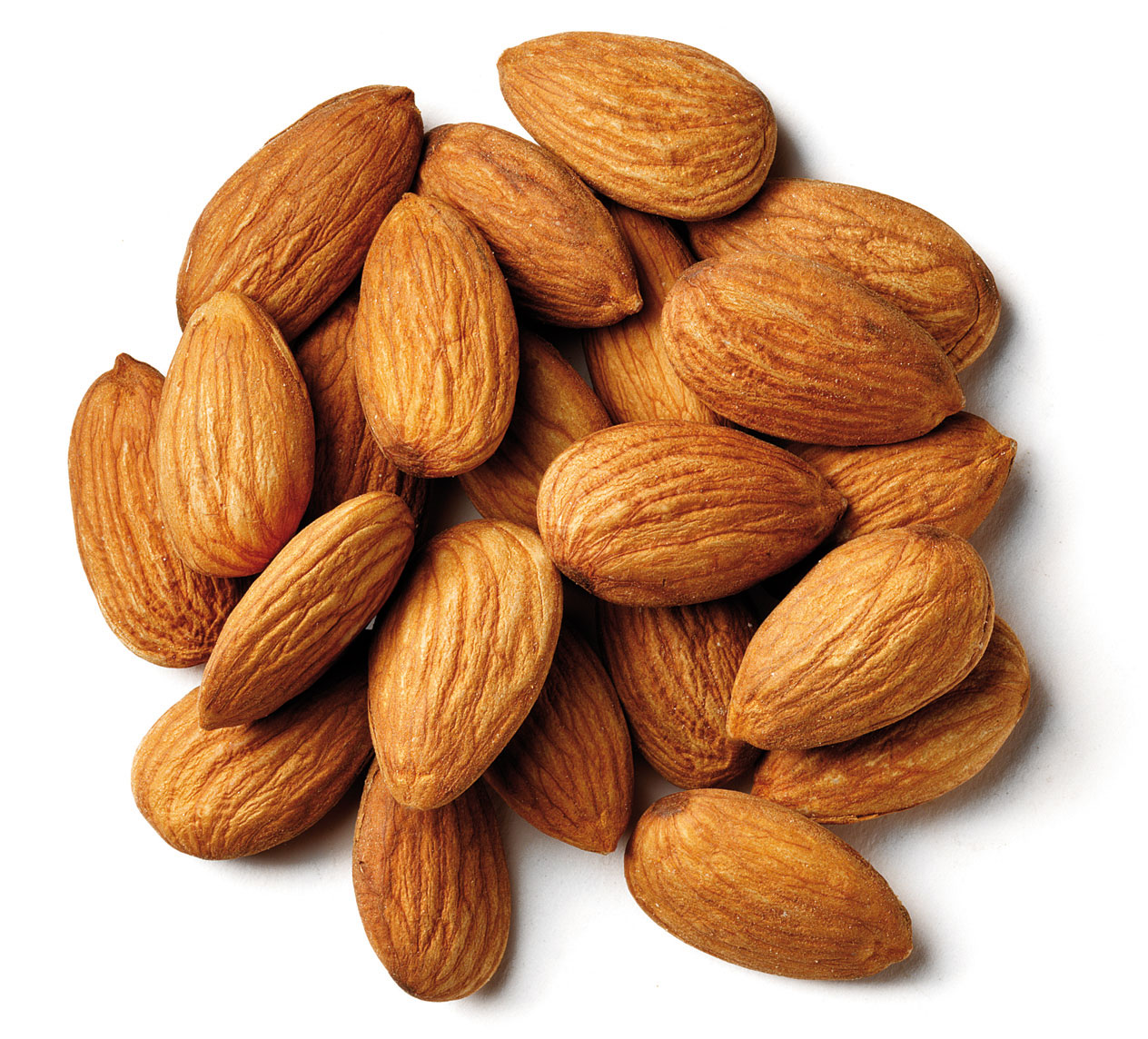
Almonds
Almonds contain the most fiber — about three grams per ounce — compared to other nuts, and are richest in vitamin E, a powerful antioxidant. Almonds may even help you slip into those skinny jeans: In one International Journal of Obesity study, when two groups of obese adults followed low-calorie diets for six months, those who included almonds in their weight loss plans lost more weight than those who ate more complex carbohydrates. Other research shows that almonds are especially healthy for people worried about their blood sugar: Those who ate about 20 percent of their calories from almonds for four months saw their bad LDL cholesterol drop and their insulin resistance decrease compared to a control group who didn’t eat them. Almonds may even safeguard your gut: A test-tube study (funded by the Almond Board of California) found that the nuts raised levels of good bacteria that bolster the body’s immune system.

Daily Consumption of Almonds May Help You Eat a Healthier Diet
If you've been reluctant to add almonds to your diet because of their high calorie count, a study published in the British Journal of Nutrition may help convince you to give these delicious, nutrient-dense nuts a try.

In this study, the normal eating patterns of 43 men and 38 women were followed for 6 months. Then they were told to eat approximately 2 ounces or one-quarter cup of almonds daily but were given no other instructions about changing their diet, and followed for an additional 6 months. By the end of the study, a number of very beneficial changes were seen to naturally occur.

Although nuts are known to provide a variety of cardio-protective benefits, many avoid them for fear of weight gain. A prospective study published in the journal Obesity shows such fears are groundless. In fact, people who ate nuts at least twice a week were much less likely to gain weight than those who almost never ate nuts.

Cashews: Brainpower Boosters

Cashews are particularly rich in iron and zinc. “Iron helps deliver oxygen to all of your cells, which can prevent anemia, and zinc is critical to immune health and healthy vision,” says Bauer. Cashews are also a good source of magnesium: One ounce provides almost 25 percent of your daily need. Magnesium may help improve memory and protect against age-related memory loss, according to a study in the journal Neuron.


Pistachios: The Skinniest Nut
Pistachios are the most slimming nuts, with less than four calories each. Their shells make them especially dieting-friendly: “Eating them in the shell automatically slows down your pace so the snack lasts longer and you eat less overall,” says Bauer. They may also help you breathe easier: University of Texas M. D. Anderson Cancer Center researchers found that eating two ounces of pistachios daily may reduce lung cancer risk. Pistachios are rich in the antioxidant gamma-tocopherol, a form of cancer-fighting vitamin E. Pistachios are also packed with potassium, a mineral essential for a healthy nervous system and muscles, and are a good source of vitamin B6, which can lift your mood, fortify your immune system, and more.
Hazelnuts: More Than Just Coffee Flavoring

An all-around healthy nut, hazelnuts are notable for their high levels of monounsaturated fats, which can improve cardiovascular health and help to manage type 2 diabetes, according to Bauer. They’re also rich in the antioxidant vitamin E, which may prevent cataracts and macular degeneration, maintain healthy skin, and reduce risk of dementia.

Help Prevent Gallstones
Twenty years of dietary data collected on over 80,000 women from the Nurses' Health Study shows that women who eat least 1 ounce of nuts, peanuts or peanut butter each week have a 25% lower risk of developing gallstones. Since 1 ounce is only 28.6 nuts or about 2 tablespoons of nut butter, preventing gallbladder disease may be as easy as having a handful of almonds as an afternoon pick me up, tossing some almonds on your oatmeal or salad or packing one almond butter and jelly sandwich (be sure to use whole wheat bread for its fiber, vitamins and minerals) for lunch each week.

Practical Tip: Don't let concerns about gaining weight prevent you from enjoying the delicious taste and many health benefits of nuts!
Spread some nut butter on your morning toast or bagel.
Remember how many great childhood lunches involved a peanut butter and jelly sandwich? Upgrade that lunchbox favorite by spreading organic peanut butter and concord grape jelly on whole wheat bread.
Fill a celery stick with nut butter for an afternoon pick-me-up.
Sprinkle a handful of nuts over your morning cereal, lunchtime salad, dinner's steamed vegetables.
Or just enjoy a handful of lightly roasted nuts as a healthy snack.

FLAXSEED

So far, there is not enough clinical evidence to endorse the use of flax seeds medicinally.


Flaxseed

Sprinkling ground flaxseed into a smoothie or bowl of cereal will turn your breakfast into a gold mine of omega-3 fatty acids; just two tablespoons contains more than 100% of your recommended daily intake for those heart-healthy fats. Flaxseed, which has a nutty flavor, also is rich in fiber and lignan, an antioxidant that's been shown to protect against breast cancer.

A word of caution: Whole flaxseeds will pass through your body without being digested, so be sure to buy them ground or grind them yourself with a coffee or spice grinder.

Is Flaxseed Good for Hormones? Flax seeds are the tiny, brown seeds of the flax plant. They are also referred to as linseeds or by the scientific name Linum usitatissimum. Ground flax seeds are added to foods or juices, and people take them for a variety of medicinal uses.

Before beginning to take flax seed or any other medicinal herb, you should consult with your health care provider for instructions.

Flaxseed & Hormones
Flax seed or flax seed oil are commonly taken to combat the discomfort of menopause. According to the University of Maryland Medical Center web site, a few studies have shown flax seed to be as effective in treating hot flashes and night sweats as hormone replacement therapy. But UMMC also says that a few more studies seem to show that flax seed had no success in treating menopausal symptoms.

The U.S. National Library of Medicine, USNLM, says that flax seed is also often used to relieve painful menstrual periods.

Flax seed also contains compounds known as lignans that mimic the effects of natural estrogen on the body. Because of this, some people take flax seed to prevent the occurrence of some types of cancer. However, it may actually be dangerous for anyone with breast cancer. Much more study needs to be done before flax seed can be recommended.
Forms of Flaxseed Used

The UMMC site tells us that flax seed oil or ground up flax seeds are used to treat a wide variety of conditions. Flax seed oil should be refrigerated and it will go rancid in a matter of a few short weeks, so be aware of the age of the oil and discard and replace it often.

The seeds of the flax plant can be ground and added to salads or juices and consumed. This method of using flax seeds also adds the effect of relieving constipation. Flax seed should be eaten shortly after grinding so they keep all of their useful properties. Never heat flax seed oil or ground flax seed because it will spoil.

Sunday, October 4, 2015

Brain Foods That Help You Concentrate


Caffeine Can Make You More Alert


There's no magic bullet to boost IQ or make you smarter -- but certain substances, like caffeine, can energize you and help you concentrate. Found in coffee, chocolate, energy drinks, and some medications, caffeine gives you that unmistakable wake-up buzz, though the effects are short-term. And more is often less: Overdo it on caffeine and it can make you jittery and uncomfortable


Sugar Can Enhance Alertness
Sugar is your brain's preferred fuel source -- not table sugar, but glucose, which your body processes from the sugars and carbs you eat. That's why a glass of something sweet to drink can offer a short-term boost to memory, thinking, and mental ability.

Have too much, though, and memory can be impaired -- along with the rest of you. Go easy on the sugar so it can enhance memory without packing on the pounds.

Eat Breakfast to Fuel Your Brain
Tempted to skip breakfast? Studies have found that eating breakfast may improve short-term memory and attention. Students who eat it tend to perform better than those who don’t. Foods at the top of researchers' brain-fuel list include high-fiber whole grains, dairy, and fruits. Just don't overeat; researchers also found high-calorie breakfasts appear to hinder concentration.

Fish Really is Brain Food

A protein source linked to a great brain boost is fish -- rich in omega-3 fatty acids that are key for brain health. These healthy fats have amazing brain power: A diet with higher levels of them has been linked to lower dementia and stroke risks and slower mental decline; plus, they may play a vital role in enhancing memory, especially as we get older.
For brain and heart health, eat two servings of fish weekly.

Add a Daily Dose of Nuts and Chocolate
Nuts and seeds are good sources of the antioxidant vitamin E, which is linked to less cognitive decline as you age. Dark chocolate also has other powerful antioxidant properties, and it contains natural stimulants like caffeine, which can enhance focus.
Enjoy up to an ounce a day of nuts and dark chocolate to get all the benefits you need without excess calories, fat, or sugar.

Add Avocados and Whole Grains

Every organ in the body depends on blood flow, especially the heart and brain. A diet high in whole grains and fruits like avocados can cut the risk of heart disease and lower bad cholesterol. This reduces your risk of plaque buildup and enhances blood flow, offering a simple, tasty way to fire up brain cells.
Whole grains, like popcorn and whole wheat, also contribute dietary fiber and vitamin E. Though avocados have fat, it's the good-for-you, monounsaturated fat that helps with healthy blood flow.

Blueberries Are Super Nutritious
Research in animals shows that blueberries may help protect the brain from the damage caused by free radicals and may reduce the effects of age-related conditions such as Alzheimer's disease or dementia. Studies also show that diets rich in blueberries improved both the learning and muscle function of aging rats, making them mentally equal to much younger rats.


Benefits of a Healthy Diet
It may sound trite but it's true: If your diet lacks essential nutrients, it can hurt your ability to concentrate. Eating too much or too little can also interfere with your focus. A heavy meal may make you feel tired, while too few calories can result in distracting hunger pangs.

Benefit your brain: Strive for a well-balanced diet full of a wide variety of healthy foods.


Vitamins, Minerals, and Supplements?
Store shelves groan with supplements claiming to boost health. Although many of the reports on the brain-boosting power of supplements like vitamins B, C, E, beta-carotene, and magnesium are promising, a supplement is only useful to people whose diets are lacking in that specific nutrient.

Researchers are cautiously optimistic about ginseng, ginkgo, and vitamin, mineral, and herb combinations and their impact on the brain.

Check with your doctor.
Get Ready for a Big Day
Want to power up your ability to concentrate? Start with a meal of 100% fruit juice, a whole-grain bagel with salmon, and a cup of coffee. In addition to eating a well-balanced meal, experts also offer this advice:
Get a good night's sleep.
Stay hydrated.
Exercise to help sharpen thinking.
Meditate to clear thinking and relax.

Sunday, August 30, 2015

What Are the Benefits of Hemp Seeds?

You've heard the buzz about hemp seeds, but you're not sure you want to add it to your diet because of random drug tests at work. Well, you can put your worries to rest. While it may look like marijuana, the hemp plant is actually a different species of cannabis and contains very little of the active ingredient, THC -- or delta-9-tetrahydrocannabinol -- that gives marijuana its reputation. And the hemp seeds, loaded with healthy fats, protein and essential nutrients, offer a number of benefits and make a healthful addition to your diet.
Good for Your Heart and Mind


If you're looking for a vegetarian source of omega-3 fatty acids, hemp seeds make a good choice. Omega-3 fatty acids are essential fats that help reduce inflammation, and getting more in your diet may reduce your risk of heart disease. They may also help lower cholesterol and blood pressure. Omega-3 fatty acids are found in concentrated amounts in the brain, and may play an important role in helping memory and cognition. So, start the day with a little heart and mind boost by adding hemp seeds to your hot cereal or yogurt.

Protein Power
Hemp seeds contain all of the essential amino acids, which makes it a complete source of protein just like chicken, fish or beef. Adding three tablespoons of hemp seeds to a salad or smoothie adds 10 grams of high-quality protein. While protein is not lacking in the American diet, the 2010 Dietary Guidelines for Americans recommends including more non-meat sources of protein, and hemp seeds make a healthy choice.


Minerally Speaking
Hemp seeds are also a rich source of a number of essential minerals, including magnesium, phosphorus, iron and zinc. Three tablespoons meets 50 percent of the daily value for magnesium and phosphorus, 25 percent of the daily value for zinc and 15 percent for iron. Meeting your daily magnesium and phosphorus needs is important for bone health. Iron is necessary for delivering oxygen throughout your body, and zinc supports immune health.


Better Bowels
Fiber is a nutrient many Americans do not get enough of in their diet, according to the Dietary Guidelines. Women need 25 grams of fiber a day, and men 38 grams. Whole hemp seeds are comprised of 10 to 15 percent fiber, or about 1 gram per 3 tablespoons. Fiber in food like hemp seeds improves bowel function by helping prevent constipation. The fiber also increases feelings of fullness so you eat less.


A Word About Calories
While hemp seeds offer a number of nutritional benefits, they are a concentrated source of calories, with 170 calories per 3-tablespoon serving. To help control calories, the Dietary Guidelines for Americans, 2010 suggests when including foods like hemp seeds in your diet to limit your portion and use them in place of other sources of protein such as meat or chicken.


Hemp Seeds for Weight Loss
Kym Douglas, in the book "The Black Book of Hollywood Pregnancy Secrets," notes that hemp seeds are one of the superfoods that are a great weight-loss helper. This may be in part due to hemp seeds being high in omega-3 EFAs, which, according to Margaret Furtado in "The Complete Idiot's Guide to Eating Well After Weight Loss Surgery," has been shown in studies to increase satiety in those who are overweight or are trying to cut down on calories. Furtado adds that omega-3s have been shown to have anti-obesity effects.

Considerations
Hemp seeds may thin the blood due to their high omega-3 content. If you currently take blood thinning medication, check with your doctor before adding hemp seeds to your diet. The oils in hemp seeds can go rancid over time, so it is advised to keep them in the refridgerator and dispose of them if you do not consume them within two months.