Showing posts with label Healthy Food. Show all posts

Sunday, July 10, 2016

6 foods to boost your brainpower


Eating well is good for your mental as well as your physical health. The brain requires nutrients just like your heart, lungs or muscles do. But which foods are particularly important to keep our grey matter happy and healthy

Foods high in compounds such as antioxidants and omega-3 fatty acids can improve brain health and memory, experts say.
From fruit to fish, here are six things that, based on various studies, may perk up your gray matter.Eat more nuts


They even look like little brains, so maybe that's Mother Nature's way of telling us what walnuts are good for.

Indeed, a 2009 study in the Journal of Nutrition found that diets in which nuts made up as little as 2 percent reversed signs of aging in the brains of old rats, including the ability of the brain to function and process information.

And a study presented in 2010 at the International Conference on Alzheimer's Disease reported that mice with Alzheimer's demonstrated improved learning, memory and motor coordination after being fed walnuts.

Walnuts contain high amounts of antioxidants, which some researchers say may combat the damage to brain cells' DNA caused by free radicals in our bodies

Carrots

Carrots have long been known to be good for the eyes and it turns out, they're good for the brain, too.

Carrots have high levels of a compound called luteolin , which could reduce age-related memory deficits and inflammation in the brain, according to a study published in 2010 in the journal Nutrition. In the study, mice whose daily diet was supplemented with 20 milligrams of luteolin had reduced inflammation in their brains. The researchers said the compound also restored the mice's memory to the level of younger mice's.

Olive oil, peppers and celery are also high in luteolin.


Berries

Adding some vitamin-rich berries to your diet may not be a bad idea if you want to improve your memory, according to several studies.

One study, published in 2010 in the Journal of Agricultural and Food Chemistry, found that after 12 weeks of daily supplements of wild blueberry juice, nine older adults who had started to experience slight memory problems showed better learning and recall abilities than a similar group of adults who didn't take the supplements. The blueberry group also showed reduced symptoms of depression.

And in a 2009 report in the Journal of Nutrition, researchers said they examined a group of studies that showed fruits such as blueberries and strawberries, which are high in antioxidants, can decrease a type of stress in cells associated with aging and increase the signaling capabilities in brains. In one of the studies, researchers placed 6-month-old rats on a diet supplemented with blueberry and strawberry extracts (totaling 2 percent of their diet) for nine months. These rats had better spatial and memory skills than rats not given the supplements.

Eat oily fish


Although recent research has shown that taking fish oil supplements may not help slow the cognitive decline in people with Alzheimer's disease, other studies have shown that eating fish rich in omega-3 fatty acids could help slow typical cognitive decline that comes with age.

A 2005 study in the journal Archives of Neurology found that people 65 and older who ate two meals of fish a week for six years had a 13 percent decrease in cognitive decline, compared with people who didn't eat any fish regularly. And people who ate one meal of fish a week had a 10 percent decrease in cognitive decline.

Fish high in vitamin B12 may also help protect against Alzheimer's , according to a study published in 2010 in the journal Neurology.


Coffee and tea
Coffee and tea do more than keep you awake in the mornings studies have shown they may prevent Alzheimer's disease and improve cognitive function.

A 2010 study in the Journal of Alzheimer's Disease found that when researchers gave caffeinated coffee to mice genetically engineered to develop Alzheimer's disease, the disease either slowed in progression or never developed. Based on the finding, coffee eventually could serve as a therapeutic treatment for people with Alzheimer's disease, the researchers said.

Tea showed protective effects on the brain, too. Tea drinkers did better on tests on memory and information processing than non-tea drinkers did, according to a 2010 study of 716 Chinese adults 55 and older in the Journal of Nutrition, Health and Aging

Spinach

The green leafy vegetable is loaded with vitamins C and E, which, studies have shown, help to improve cognitive abilities.
A 2000 study in the Journals of Gerontology showed that rats whose diet was supplemented with vitamin E experienced a 500 to 900 percent increase in brain and nerve tissue over an eight-month period, as well as an increase in the release of dopamine in the brain, the "pleasure" chemical that controls flow of information to different parts of the brain.
And a 2000 study in the journal Brain Research found that aging rats had some of their age-related memory and motor deficits reversed after they were fed diets supplemented with spinach, strawberries or blueberries.

Pass it on: To amp up your brain health and slow cognitive decline, eat your leafy greens, berries, nuts and fish

Friday, July 8, 2016

Sesame Seeds Benefit

Sesame seeds are truly one of the most ancient foods on earth. In fact, sesame plants are the oldest known plant species to be grown primarily for their seeds (pods) and oils rather than for their leaves, fruit or vegetables.

Highly valued in eastern, Mediterranean and African cultures, sesame seeds (Sesamum indicum) have been used for thousands of years to flavor foods, provide essential fats and enhance skin health. Sesame has one of the highest oil contents of any seed and a rich, nutty flavor, which is why sesame oil, tahini and the seeds themselves are common ingredients in cuisines across the world.
One tablespoon of whole sesame seeds has about:

  • 52 calories
  • 4 grams fat
  • 1 gram carbs
  • 2 grams of protein
  • 4 milligrams copper (18 percent DV)
  • 2 milligrams manganese (11 percent DV)
  • 87 milligrams calcium (9 percent DV)
  • 31 milligrams magnesium (8 percent DV)
  • 3 milligrams iron (7 percent DV)
  • 57 milligrams phosphorus (6 percent DV)
  • 7 milligrams zinc (5 percent DV)
  • 1 milligrams thiamine (5 percent DV)

Sesame seeds are an excellent source of copper, a very good source of manganese, and a good source of magnesium, calcium, phosphorus, iron, zinc, molybdenum, and selenium.
In addition, copper plays an important role in the activity of lysyl oxidase, an enzyme needed for the cross-linking of collagen and elastin—the ground substances that provide structure, strength and elasticity in blood vessels, bones and joints.
Copper is known for its use in reducing some of the pain and swelling of rheumatoid arthritis. Copper's effectiveness is due to the fact that this trace mineral is important in a number of antiinflammatory and antioxidant enzyme systems.
Sesame helps lower cholesterol levels, because it contains phytosterols that block cholesterol production. Black sesame seeds are especially high in phytosterols.

The high copper content in sesame seeds prevents and relieves arthritis, and strengthens bones, joints and blood vessels.
Not only are sesame seeds an excellent source of copper and a very good source of manganese, but they are also a good source of calcium, magnesium, iron, phosphorus, vitamin B1, zinc, molybdenum, selenium, and dietary fiber. In addition to these important nutrients, sesame seeds contain two unique substances: sesamin and sesamolin. Both of these substances belong to a group of special beneficial fibers called lignans, and have been shown to have a cholesterol-lowering effect in humans, and to prevent high blood pressure and increase vitamin E supplies in animals. Sesamin has also been found to protect the liver from oxidative damage.


In traditional Chinese medicine, there is a relationship between the liver and eyes. The liver sends blood to the eyes to support functioning. Black sesame seeds are the best for this.
Oil pulling has been used for oral health for thousands of years in Ayurveda to reduce dental plaque, whiten your teeth, and boost overall health.

Hair BenefitsSesame seed oil is full of the nutrients needed for a healthy scalp and hair. See how to use sesame oil in your hair


Prevents Cancer
Sesame seeds contain anti-cancer compounds including phytic acid, magnesium, and phytosterols. Sesame seeds have the highest phytosterol content of all seeds and nuts.

Alleviates Anemia
Black sesame seeds are particularly rich in iron. They’re highly recommended for those with anemia and weakness.

Good for Digestion 
The high fiber content of sesame seeds helps the intestines with elimination.


For Healthy Skin
The high zinc content helps produce collagen, giving skin more elasticity and helping repair damaged body tissues. Regular use of sesame oil can reduce skin cancer.

Zinc for Bone Health

Another reason for older men to make zinc-rich foods such as sesame seeds a regular part of their healthy way of eating is bone mineral density. Although osteoporosis is often thought to be a disease for which postmenopausal women are at highest risk, it is also a potential problem for older men. 

There is a little bit of controversy about sesame seeds and calcium, because there is a substantial difference between the calcium content of hulled versus unhulled sesame seeds. When the hulls remain on the seeds, one tablespoon of sesame seeds will contains about 88 milligrams of calcium. When the hulls are removed, this same tablespoon will contain about 37 milligrams (about 60% less). Tahini—a spreadable paste made from ground sesame seeds—is usually made from hulled seeds (seeds with the hulls removed, called kernels), and so it will usually contain this lower amount of calcium.
The term "sesame butter" can sometimes refer to tahini made from sesame seed kernels, or it can also be used to mean a seed paste made from whole sesame seeds—hull included.
Although the seed hulls provide an additional 51 milligrams of calcium per tablespoon of seeds, the calcium found in the hulls appears in large part to be found in the form of calcium oxalate. This form of calcium is different than the form found in the kernels, and it is a less absorbable form of calcium. So even though a person would be likely to get more calcium from sesame seeds or sesame seed butter that contained the hulls, there is a question about how much more calcium would be involved. It would defintely be less than the 51 additional milligrams found in the seed hulls.

Friday, January 1, 2016

7 Cancer-Fighting Culinary Spices and Herbs

Ginger

Ginger has long been used in folk medicine to treat everything from colds to constipation. Ginger can be used fresh, in powdered form (ginger spice), or candied. Although the flavor between fresh and ground ginger is significantly different, they can be substituted for one another in many recipes. In general, you can replace 1/8 teaspoon of ground ginger with 1 tablespoon of fresh grated ginger, and vice versa.
Consuming ginger and ginger products, in addition to taking any anti-nausea medications as prescribed, may provide some comfort for a queasy stomach during cancer treatment.


Turmeric

Turmeric is an herb in the ginger family; it's one of the ingredients that make many curries yellow and gives it its distinctive flavor. Curcumin appears to be the active compound in turmeric. This compound has demonstrated antioxidant and anti-inflammatory properties, potentially protecting against cancer development.
Turmeric extract supplements are currently being studied to see if they have a role in preventing and treating some cancers, including colon, prostate, breast, and skin cancers. Although results appear promising, they have largely been observed in laboratory and animal studies, so it’s unclear whether these results will ultimately translate to humans.

Garlic

Garlic belongs to the Allium class of bulb-shaped plants, which also includes chives, leeks, onions, shallots, and scallions. Garlic has a high sulfur content and is also a good source of arginine, oligosaccharides, flavonoids, and selenium, all of which may be beneficial to health. Garlic’s active compound, called allicin, gives it its characteristic odor and is produced when garlic bulbs are chopped, crushed, or otherwise damaged.
Several studies suggest that increased garlic intake reduces the risk of cancers of the stomach, colon, esophagus, pancreas, and breast. It appears that garlic may protect against cancer through numerous mechanisms, including by inhibiting bacterial infections and the formation of cancer-causing substances, promoting DNA repair, and inducing cell death. Garlic supports detoxification and may also support the immune system and help reduce blood pressure.

Chamomile
Chamomile is thought to have medicinal benefits and has been used throughout history to treat a variety of conditions. Chamomile may help with sleep issues; if sleep is a problem for you, try drinking a strong chamomile tea shortly before bedtime.
Chamomile mouthwash has also been studied for preventing and treating mouth sores from chemotherapy and radiation therapy. Although the results are mixed, there is no harm in giving it a try, provided your oncologist is not opposed. If given the green light, simply make the tea, let it cool, and rinse and gargle as often as desired.
Chamomile tea may be another way to manage digestive problems, including stomach cramps. Chamomile appears to help relax muscle contractions, particularly the smooth muscles of the intestines.

Rosemary

Rosemary is a hearty, woody Mediterranean herb that has needlelike leaves and is a good source of antioxidants. Because of its origin, rosemary is commonly used in Mediterranean cooking and you’ll often see it included as a primary ingredient in Italian seasonings. You can use it to add flavor to soups, tomato-based sauces, bread, and high-protein foods like poultry, beef, and lamb.
Rosemary may help with detoxification; taste changes; indigestion, flatulence, and other digestive problems; and loss of appetite. Try drinking up to 3 cups of rosemary leaf tea daily for help with these problems.

Peppermint
Peppermint is a natural hybrid cross between water mint and spearmint. It has been used for thousands of years as a digestive aid to relieve gas, indigestion, cramps, and diarrhea. It may also help with symptoms of irritable bowel syndrome and food poisoning. Peppermint appears to calm the muscles of the stomach and improve the flow of bile, enabling food to pass through the stomach more quickly.
If your cancer or treatment is causing an upset stomach, try drinking a cup of peppermint tea. Many commercial varieties are on the market, or you can make your own by boiling dried peppermint leaves in water or adding fresh leaves to boiled water and letting them steep for a few minutes until the tea reaches the desired strength.
Peppermint can also soothe a sore throat. For this reason, it is also sometimes used to relieve the painful mouth sores that can occur from chemotherapy and radiation, or is a key ingredient in treatments for this condition.

Chile peppers
Chile peppers contain capsaicin, a compound that can relieve pain. When capsaicin is applied topically to the skin, it causes the release of a chemical called substance P. Upon continued use, the amount of substance P eventually produced in that area decreases, reducing pain in the area.
But this doesn’t mean you should go rubbing chile peppers where you have pain. Chile peppers need to be handled very carefully, because they can cause burns if they come in contact with the skin.
Therefore, if you have pain and want to harness the power of chile peppers, ask your oncologist or physician about prescribing a capsaicin cream. It has shown pretty good results with regard to treating neuropathic pain (sharp, shocking pain that follows the path of a nerve) after surgery for cancer.
Another benefit of chile peppers is that they may help with indigestion. Seems counterintuitive, right? But some studies have shown that ingesting small amounts of cayenne may reduce indigestion.

Saturday, November 14, 2015

Health Benefits of Barley

Controls Blood Sugar Better

Dutch researchers used a crossover study with 10 healthy men to compare the effects of cooked barley kernels and refined wheat bread on blood sugar control. The men ate one or the other of these grains at dinner, then were given a high glycemic index breakfast (50g of glucose) the next morning for breakfast. When they had eaten the barley dinner, the men had 30% better insulin sensitivity the next morning after breakfast.

Lowers Glucose Levels
White rice, the staple food in Japan, is a high glycemic index food. Researchers at the University of Tokushima found that glucose levels were lower after meals when subjects switched from rice to barley.

Beta-Glucan Lowers Glycemic Index
Scientists at the Functional Food Centre at Oxfod Brookes University in England fed 8 healthy human subjects chapatis (unleavened Indian flatbreads) made with either 0g, 2g, 4g, 6g or 8g of barley beta-glucan fiber. They found that all amounts of barley beta-glucan lowered the glycemic index of the breads, with 4g or more making a significant difference.

Insulin Response better with Barley Beta-Glucan
In a crossover study involving 17 obese women at increased risk for insulin resistance, USDA scientists studied the effects of 5 different breakfast cereal test meals on subjects’ insulin response. They found that consumption of 10g of barley beta-glucan significantly reduced insulin response.
.
Beats Oats in Glucose Response Study
USDA researchers fed barley flakes, barley flour, rolled oats, oat flour, and glucose to 10 overweight middle-aged women, then studied their bodies’ responses. They found that peak glucose and insulin levels after barley were significantly lower than those after glucose or oats. Particle size did not appear to be a factor, as both flour and flakes had similar effects.

Reduces Blood Pressure
For five weeks, adults with mildly high cholesterol were fed diets supplemented with one of three whole grain choices: whole wheat/brown rice, barley, or whole wheat/brown rice/barley. All three whole grain combinations reduced blood pressure, leading USDA researchers to conclude that "in a healthful diet, increasing whole grain foods, whether high in soluble or insoluble fiber, can reduce blood pressure and may help to control weight."

Lowers Serum Lipids
University of Connecticut researchers reviewed 8 studies evaluating the lipid-reducing effects of barley. They found that eating barley significantly lowered total cholesterol, LDL (“bad”) cholesterol, and triglycerides, but did not appear to significantly alter HDL (“good”) cholesterol.

Cholesterol and Visceral Fat Decrease with Barley
A randomized double-blind study in Japan followed 44 men with high cholesterol for twelve weeks, as the men ate either a standard white-rice diet or one with a mixture of rice and high-beta-glucan pearl barley. Barley intake significantly reduced serum cholesterol and visceral fat, both accepted markers of cardiovascular risk.

Significantly Improves Lipids
25 adults with mildly high cholesterol were fed whole grain foods containing 0g, 3g or 6g of barley beta-glucan per day for five weeks, with blood samples taken twice weekly. Total cholesterol and LDL (“bad”) cholesterol significantly decreased with the addition of barley to the diet.

Barley Pasta Lowers Cholesterol

University of California researchers fed two test meals to 11 healthy men, both containing beta-glucan. One meal was a high-fiber (15.7g) barley pasta and the other was lower-fiber (5.0g) wheat pasta. The barley pasta blunted insulin response, and four hours after the meal, barley-eaters had significantly lower cholesterol concentration than wheat-eaters.

Slow Digestion may help Weight Control
Barley varieties such as Prowashonupana that are especially high in beta-glucan fiber may digest more slowly than standard barley varieties. Researchers at USDA and the Texas Children’s Hospital compared the two and concluded that Prowashonupana may indeed be especially appropriate for obese and diabetic patients.

Greater Satiety, Fewer Calories Eaten with Barley
In a pilot study not yet published, six healthy subjects ate a 420-calorie breakfast bar after an overnight fast, then at lunch were offered an all-you-can-eat buffet. When subjects ate a Prowashonupana barley bar at breakfast they subsequently ate 100 calories less at lunch than when they ate a traditional granola bar for breakfast.

Saturday, October 10, 2015

Eating Nuts Lowers Risk of Weight Gain


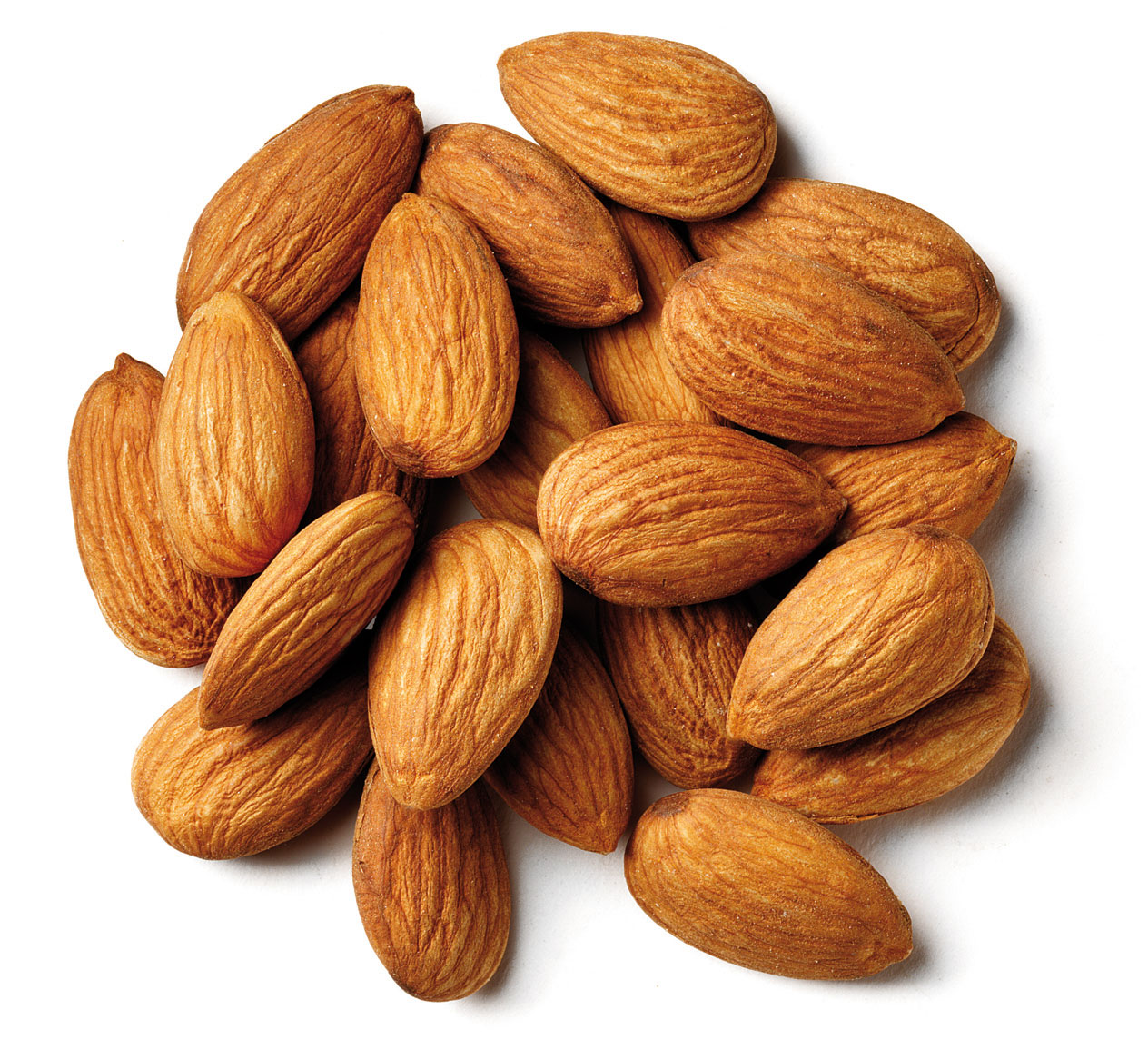
Almonds
Almonds contain the most fiber — about three grams per ounce — compared to other nuts, and are richest in vitamin E, a powerful antioxidant. Almonds may even help you slip into those skinny jeans: In one International Journal of Obesity study, when two groups of obese adults followed low-calorie diets for six months, those who included almonds in their weight loss plans lost more weight than those who ate more complex carbohydrates. Other research shows that almonds are especially healthy for people worried about their blood sugar: Those who ate about 20 percent of their calories from almonds for four months saw their bad LDL cholesterol drop and their insulin resistance decrease compared to a control group who didn’t eat them. Almonds may even safeguard your gut: A test-tube study (funded by the Almond Board of California) found that the nuts raised levels of good bacteria that bolster the body’s immune system.

Daily Consumption of Almonds May Help You Eat a Healthier Diet
If you've been reluctant to add almonds to your diet because of their high calorie count, a study published in the British Journal of Nutrition may help convince you to give these delicious, nutrient-dense nuts a try.

In this study, the normal eating patterns of 43 men and 38 women were followed for 6 months. Then they were told to eat approximately 2 ounces or one-quarter cup of almonds daily but were given no other instructions about changing their diet, and followed for an additional 6 months. By the end of the study, a number of very beneficial changes were seen to naturally occur.

Although nuts are known to provide a variety of cardio-protective benefits, many avoid them for fear of weight gain. A prospective study published in the journal Obesity shows such fears are groundless. In fact, people who ate nuts at least twice a week were much less likely to gain weight than those who almost never ate nuts.

Cashews: Brainpower Boosters

Cashews are particularly rich in iron and zinc. “Iron helps deliver oxygen to all of your cells, which can prevent anemia, and zinc is critical to immune health and healthy vision,” says Bauer. Cashews are also a good source of magnesium: One ounce provides almost 25 percent of your daily need. Magnesium may help improve memory and protect against age-related memory loss, according to a study in the journal Neuron.


Pistachios: The Skinniest Nut
Pistachios are the most slimming nuts, with less than four calories each. Their shells make them especially dieting-friendly: “Eating them in the shell automatically slows down your pace so the snack lasts longer and you eat less overall,” says Bauer. They may also help you breathe easier: University of Texas M. D. Anderson Cancer Center researchers found that eating two ounces of pistachios daily may reduce lung cancer risk. Pistachios are rich in the antioxidant gamma-tocopherol, a form of cancer-fighting vitamin E. Pistachios are also packed with potassium, a mineral essential for a healthy nervous system and muscles, and are a good source of vitamin B6, which can lift your mood, fortify your immune system, and more.
Hazelnuts: More Than Just Coffee Flavoring

An all-around healthy nut, hazelnuts are notable for their high levels of monounsaturated fats, which can improve cardiovascular health and help to manage type 2 diabetes, according to Bauer. They’re also rich in the antioxidant vitamin E, which may prevent cataracts and macular degeneration, maintain healthy skin, and reduce risk of dementia.

Help Prevent Gallstones
Twenty years of dietary data collected on over 80,000 women from the Nurses' Health Study shows that women who eat least 1 ounce of nuts, peanuts or peanut butter each week have a 25% lower risk of developing gallstones. Since 1 ounce is only 28.6 nuts or about 2 tablespoons of nut butter, preventing gallbladder disease may be as easy as having a handful of almonds as an afternoon pick me up, tossing some almonds on your oatmeal or salad or packing one almond butter and jelly sandwich (be sure to use whole wheat bread for its fiber, vitamins and minerals) for lunch each week.

Practical Tip: Don't let concerns about gaining weight prevent you from enjoying the delicious taste and many health benefits of nuts!
Spread some nut butter on your morning toast or bagel.
Remember how many great childhood lunches involved a peanut butter and jelly sandwich? Upgrade that lunchbox favorite by spreading organic peanut butter and concord grape jelly on whole wheat bread.
Fill a celery stick with nut butter for an afternoon pick-me-up.
Sprinkle a handful of nuts over your morning cereal, lunchtime salad, dinner's steamed vegetables.
Or just enjoy a handful of lightly roasted nuts as a healthy snack.

FLAXSEED

So far, there is not enough clinical evidence to endorse the use of flax seeds medicinally.


Flaxseed

Sprinkling ground flaxseed into a smoothie or bowl of cereal will turn your breakfast into a gold mine of omega-3 fatty acids; just two tablespoons contains more than 100% of your recommended daily intake for those heart-healthy fats. Flaxseed, which has a nutty flavor, also is rich in fiber and lignan, an antioxidant that's been shown to protect against breast cancer.

A word of caution: Whole flaxseeds will pass through your body without being digested, so be sure to buy them ground or grind them yourself with a coffee or spice grinder.

Is Flaxseed Good for Hormones? Flax seeds are the tiny, brown seeds of the flax plant. They are also referred to as linseeds or by the scientific name Linum usitatissimum. Ground flax seeds are added to foods or juices, and people take them for a variety of medicinal uses.

Before beginning to take flax seed or any other medicinal herb, you should consult with your health care provider for instructions.

Flaxseed & Hormones
Flax seed or flax seed oil are commonly taken to combat the discomfort of menopause. According to the University of Maryland Medical Center web site, a few studies have shown flax seed to be as effective in treating hot flashes and night sweats as hormone replacement therapy. But UMMC also says that a few more studies seem to show that flax seed had no success in treating menopausal symptoms.

The U.S. National Library of Medicine, USNLM, says that flax seed is also often used to relieve painful menstrual periods.

Flax seed also contains compounds known as lignans that mimic the effects of natural estrogen on the body. Because of this, some people take flax seed to prevent the occurrence of some types of cancer. However, it may actually be dangerous for anyone with breast cancer. Much more study needs to be done before flax seed can be recommended.
Forms of Flaxseed Used

The UMMC site tells us that flax seed oil or ground up flax seeds are used to treat a wide variety of conditions. Flax seed oil should be refrigerated and it will go rancid in a matter of a few short weeks, so be aware of the age of the oil and discard and replace it often.

The seeds of the flax plant can be ground and added to salads or juices and consumed. This method of using flax seeds also adds the effect of relieving constipation. Flax seed should be eaten shortly after grinding so they keep all of their useful properties. Never heat flax seed oil or ground flax seed because it will spoil.

Sunday, October 4, 2015

Brain Foods That Help You Concentrate


Caffeine Can Make You More Alert


There's no magic bullet to boost IQ or make you smarter -- but certain substances, like caffeine, can energize you and help you concentrate. Found in coffee, chocolate, energy drinks, and some medications, caffeine gives you that unmistakable wake-up buzz, though the effects are short-term. And more is often less: Overdo it on caffeine and it can make you jittery and uncomfortable


Sugar Can Enhance Alertness
Sugar is your brain's preferred fuel source -- not table sugar, but glucose, which your body processes from the sugars and carbs you eat. That's why a glass of something sweet to drink can offer a short-term boost to memory, thinking, and mental ability.

Have too much, though, and memory can be impaired -- along with the rest of you. Go easy on the sugar so it can enhance memory without packing on the pounds.

Eat Breakfast to Fuel Your Brain
Tempted to skip breakfast? Studies have found that eating breakfast may improve short-term memory and attention. Students who eat it tend to perform better than those who don’t. Foods at the top of researchers' brain-fuel list include high-fiber whole grains, dairy, and fruits. Just don't overeat; researchers also found high-calorie breakfasts appear to hinder concentration.

Fish Really is Brain Food

A protein source linked to a great brain boost is fish -- rich in omega-3 fatty acids that are key for brain health. These healthy fats have amazing brain power: A diet with higher levels of them has been linked to lower dementia and stroke risks and slower mental decline; plus, they may play a vital role in enhancing memory, especially as we get older.
For brain and heart health, eat two servings of fish weekly.

Add a Daily Dose of Nuts and Chocolate
Nuts and seeds are good sources of the antioxidant vitamin E, which is linked to less cognitive decline as you age. Dark chocolate also has other powerful antioxidant properties, and it contains natural stimulants like caffeine, which can enhance focus.
Enjoy up to an ounce a day of nuts and dark chocolate to get all the benefits you need without excess calories, fat, or sugar.

Add Avocados and Whole Grains

Every organ in the body depends on blood flow, especially the heart and brain. A diet high in whole grains and fruits like avocados can cut the risk of heart disease and lower bad cholesterol. This reduces your risk of plaque buildup and enhances blood flow, offering a simple, tasty way to fire up brain cells.
Whole grains, like popcorn and whole wheat, also contribute dietary fiber and vitamin E. Though avocados have fat, it's the good-for-you, monounsaturated fat that helps with healthy blood flow.

Blueberries Are Super Nutritious
Research in animals shows that blueberries may help protect the brain from the damage caused by free radicals and may reduce the effects of age-related conditions such as Alzheimer's disease or dementia. Studies also show that diets rich in blueberries improved both the learning and muscle function of aging rats, making them mentally equal to much younger rats.


Benefits of a Healthy Diet
It may sound trite but it's true: If your diet lacks essential nutrients, it can hurt your ability to concentrate. Eating too much or too little can also interfere with your focus. A heavy meal may make you feel tired, while too few calories can result in distracting hunger pangs.

Benefit your brain: Strive for a well-balanced diet full of a wide variety of healthy foods.


Vitamins, Minerals, and Supplements?
Store shelves groan with supplements claiming to boost health. Although many of the reports on the brain-boosting power of supplements like vitamins B, C, E, beta-carotene, and magnesium are promising, a supplement is only useful to people whose diets are lacking in that specific nutrient.

Researchers are cautiously optimistic about ginseng, ginkgo, and vitamin, mineral, and herb combinations and their impact on the brain.

Check with your doctor.
Get Ready for a Big Day
Want to power up your ability to concentrate? Start with a meal of 100% fruit juice, a whole-grain bagel with salmon, and a cup of coffee. In addition to eating a well-balanced meal, experts also offer this advice:
Get a good night's sleep.
Stay hydrated.
Exercise to help sharpen thinking.
Meditate to clear thinking and relax.

Sunday, August 30, 2015

What Are the Benefits of Hemp Seeds?

You've heard the buzz about hemp seeds, but you're not sure you want to add it to your diet because of random drug tests at work. Well, you can put your worries to rest. While it may look like marijuana, the hemp plant is actually a different species of cannabis and contains very little of the active ingredient, THC -- or delta-9-tetrahydrocannabinol -- that gives marijuana its reputation. And the hemp seeds, loaded with healthy fats, protein and essential nutrients, offer a number of benefits and make a healthful addition to your diet.
Good for Your Heart and Mind


If you're looking for a vegetarian source of omega-3 fatty acids, hemp seeds make a good choice. Omega-3 fatty acids are essential fats that help reduce inflammation, and getting more in your diet may reduce your risk of heart disease. They may also help lower cholesterol and blood pressure. Omega-3 fatty acids are found in concentrated amounts in the brain, and may play an important role in helping memory and cognition. So, start the day with a little heart and mind boost by adding hemp seeds to your hot cereal or yogurt.

Protein Power
Hemp seeds contain all of the essential amino acids, which makes it a complete source of protein just like chicken, fish or beef. Adding three tablespoons of hemp seeds to a salad or smoothie adds 10 grams of high-quality protein. While protein is not lacking in the American diet, the 2010 Dietary Guidelines for Americans recommends including more non-meat sources of protein, and hemp seeds make a healthy choice.


Minerally Speaking
Hemp seeds are also a rich source of a number of essential minerals, including magnesium, phosphorus, iron and zinc. Three tablespoons meets 50 percent of the daily value for magnesium and phosphorus, 25 percent of the daily value for zinc and 15 percent for iron. Meeting your daily magnesium and phosphorus needs is important for bone health. Iron is necessary for delivering oxygen throughout your body, and zinc supports immune health.


Better Bowels
Fiber is a nutrient many Americans do not get enough of in their diet, according to the Dietary Guidelines. Women need 25 grams of fiber a day, and men 38 grams. Whole hemp seeds are comprised of 10 to 15 percent fiber, or about 1 gram per 3 tablespoons. Fiber in food like hemp seeds improves bowel function by helping prevent constipation. The fiber also increases feelings of fullness so you eat less.


A Word About Calories
While hemp seeds offer a number of nutritional benefits, they are a concentrated source of calories, with 170 calories per 3-tablespoon serving. To help control calories, the Dietary Guidelines for Americans, 2010 suggests when including foods like hemp seeds in your diet to limit your portion and use them in place of other sources of protein such as meat or chicken.


Hemp Seeds for Weight Loss
Kym Douglas, in the book "The Black Book of Hollywood Pregnancy Secrets," notes that hemp seeds are one of the superfoods that are a great weight-loss helper. This may be in part due to hemp seeds being high in omega-3 EFAs, which, according to Margaret Furtado in "The Complete Idiot's Guide to Eating Well After Weight Loss Surgery," has been shown in studies to increase satiety in those who are overweight or are trying to cut down on calories. Furtado adds that omega-3s have been shown to have anti-obesity effects.

Considerations
Hemp seeds may thin the blood due to their high omega-3 content. If you currently take blood thinning medication, check with your doctor before adding hemp seeds to your diet. The oils in hemp seeds can go rancid over time, so it is advised to keep them in the refridgerator and dispose of them if you do not consume them within two months.

Sunday, August 23, 2015

Careful with Green Smoothies

Why Green Smoothies May Not Be Good for You

According to traditional Chinese medicine, raw produce are cooling in nature, and if you chronically feel cold or often get colds, or just had a baby, you may want to lay off a high intake of raw foods. Instead, eat the greens cooked, enjoy more soups (pureed carrot or broccoli soups are good), and warming ingredients, such as garlic and ginger.

If you have problems with diabetes, hypoglycemia, or high blood sugar levels, and are super sensitive to sugar, make sure to follow recipes that are lower in high-glycemic fruits, such as bananas, and higher in protein and fats (such as flax seeds and a good quality protein powder) for your green smoothies, if you choose to drink them.

If you have had problems with kidney stones, be careful with green smoothies, especially if they are made with spinach or swiss chard because those two types of greens are very high in oxalates, which can cause stones to form.

“The omega-3 fatty acids and cod liver oil are also very effective in preventing oxalate deposition,” according to William Shaw, PhD in his article “The Role of Oxalates in Autism and Chronic Disorders.” So if drinking green smoothies makes you feel good but you are concerned about ingesting too much oxalic acid, you may try mixing in some cod liver oil.

Who Are Green Smoothies Good for? 
If you are extremely active (like I was when I was dancing full-time), having a green smoothie mixed with coconut water may help nourish your body, replace enzymes lost when sweating, and cut your cravings.

If you do not absorb your nutrients well and need to hydrate and nourish yourself with high doses of anti-oxidants, then green smoothies may be the perfect food for you. Drink it slowly, at room temperature, and try chewing your smoothie.

If you chronically crave sweets because of low energy or emotional tribulations, green smoothies made on the sweeter side may help you stave off a binge, especially if you add in some nuts such as cashews, a banana, and some blueberries. It will taste sweet, creamy, and wonderfully nourishing.


Ten foods you should eat

Quinoa
Quinoa contains more protein than any other grain. It can help lower cholesterol levels as it is a great source of fibre and helps to promote cardiovascular health. Quinoa contains a range of important nutrients, such as iron and B vitamins, for red blood cell production and energy; calcium, for strong bones; magnesium, for nervous system health; and vitamin E, a powerful antioxidant. It's also an ideal grain for diabetics as it has a low glycaemic index, which will help keep blood-sugar levels stable and prevent sharp spikes in insulin. You can use quinoa as a substitute for rice.

Seaweed
Seaweed is extremely nutritious and contains health-promoting compounds not found in any other plants. Eating seaweed is an excellent way to increase your antioxidant intake and help protect against cancer. It's also a good source of zinc, needed for immune health; B vitamins and iron, to improve energy levels; and iodine, for healthy thyroid function.

Seaweed is also a good source of calcium, for strong bones and teeth. There are many different types of seaweed including kelp, nori and arame. It can be added to soups, stir-fries and salads, or used for nori rolls.

Chia seeds

Chia seeds are the richest plant source of omega-3 essential fatty acids, which our body needs to keep our brain and heart functioning as well as they can. They may be tiny but these healthy seeds are packed with goodness, such as protein and fibre. Chia seeds are so easy to add to the diet; just sprinkle over breakfast cereals, salads or vegies, or blend them through smoothies.

Kale
Eating kale regularly helps support liver detoxification and reduce the risk of cancer, as it contains anti-cancer nutrients in the form of glucosinolates, together with high levels of antioxidants and anti-inflammatory nutrients such as omega-3 fats. Kale is a great source of fibre, helping to keep blood-sugar and cholesterol levels stable. It also boasts high doses of vitamin C and A, both important for boosting immune function. Kale also provides vitamin K, which is good for bones and blood clotting. It can be eaten raw or cooked.

Black rice
Black rice is one of our new superfoods. It contains high levels of health-boosting antioxidants called anthocyanins, which are also found in blueberries. Just one spoonful of black rice bran contains more antioxidants than a spoonful of blueberries. Antioxidants are important for neutralising free radicals in the body that cause damage to cells and cause chronic diseases such as cancer and cardiovascular disease. Black rice is available from health-food stores or websites and can be cooked the same way as other rice varieties.

Purple berries
Purple berries, such as acai, elderberry, blackcurrant and chokeberry, are some of the richest sources of antioxidants of all fruits. They are about 50 per cent higher in antioxidants than more common berries. Their dark purple colour indicates high levels of the powerful antioxidants anthocyanins. Including these berries in your diet will help protect you from chronic diseases such as cardiovascular disease and cancer, and help slow down the ageing process. Purple berries are excellent sources of vitamins A and C, which are both important immune-boosting nutrients.

White tea
White tea comes from the same plant as green tea. However, its leaves are harvested at a younger age. White tea contains higher levels of antioxidants than green as it is less processed. White tea contains antioxidants that have been found to have many health-promoting properties including boosting cardiovascular health, helping to lower cholesterol, reducing the risk of cancer and enhancing weight loss. White tea, which has a smoother, gentler taste to green, also contains less caffeine, so it is a better choice for those who are sensitive to caffeine. Three cups a day is a great way to reap the health benefits of this super tea.

Beet greens

Beet greens, the leafy tops of beetroots, are delicious steamed or stir-fried with olive oil, garlic and lemon, or added to soups, risotto, quiches or stir-fries. They are rich in vitamin C; one cup contains 60 per cent of your recommended daily intake. Vitamin C is a potent antioxidant and helps support immune function and wound healing. Beet greens also contain beta-carotene, which converts to vitamin A and aids healthy eyesight and gums. Beet greens are ideal for pre-pregnancy diets, as they are a rich source of folate and iron.

Kefir
Kefir is a fermented milk drink, considered a probiotic food. It contains more than 30 beneficial bacteria. Including kefir in your diet will help promote a healthy balance of intestinal flora, which will improve digestion, boost immune health and help to produce vitamins B12 and K.
Kefir also provides plenty of calcium and magnesium, to look after your nervous system, and vitamin A and D, to support immune function. Kefir is a great source of protein and is rich in the amino acid tryptophan, which is known for its calming effect and sleep support. Kefir is best drunk on its own or added to smoothies. It is available from health-food stores.

LSA
LSA, made from ground linseeds, sunflower seeds and almonds, is an easy, extremely versatile way to add extra nutrients to meals. LSA is rich in protein, which helps to keep your blood-sugar levels balanced and curb sugar cravings. LSA will provide you with a good dose of healthy omega-3 fats to promote a healthy heart and brain function, and it contains important minerals such as calcium, zinc and magnesium. Try adding a spoonful of LSA to muesli or other breakfast cereals, smoothies, yoghurt, rice dishes or muffin or cookie mixtures.

The Mother Food...Quinoa


A complete protein and fantastic wheat-free alternative, the demand for quinoa has risen sharply in recent years. Nutritionist Jo Lewin shares recipes, cooking tips and the nutritional highlights of this fashionable grain-like crop...

An introduction to quinoa
Quinoa, pronounced ‘keen-wa’ is a great wheat-free alternative to starchy grains. There are two types: red and creamy white. Both types are slightly bitter when cooked and open up to release little white curls (like a tail) as they soften.
Grown in South America (Peru, Chile and Bolivia) for thousands of years, quinoa formed the staple diet of the Incas and their descendants. In recent years, foodies in the UK and the US have heralded it as a superior alternative to bulgur wheat, couscous and rice. Though it often occupies a similar role to these grains in dishes, quinoa is actually in the same family as beets, chard and spinach.
Nutritional highlights...

The UN named 2013 ‘International Quinoa Year’ in recognition of the crop’s high nutrient content. With twice the protein content of rice or barley, quinoa is also a very good source of calcium, magnesium and manganese. It also possesses good levels of several B vitamins, vitamin E and dietary fibre.

Cooked quinoa seeds become fluffy and creamy, yet maintains a slight crunch. It has a delicate and subtly nutty flavor, versatile for breakfast (as a cereal), lunch (as a salad) or dinner (as a side). 

Quinoa is among the least allergenic of all the grains, making it a fantastic wheat-free choice. Like buckwheat, quinoa has an excellent amino acid profile, as it contains all nine essential amino acids making it a complete-protein source. Quinoa is therefore an excellent choice for vegans who may struggle to get enough protein in their diets. 
Research 
Quinoa is high in anti-inflammatory phytonutrients, which make it potentially beneficial for human health in the prevention and treatment of disease. Quinoa contains small amounts of the heart healthy omega-3 fatty acids and, in comparison to common cereal grasses has a higher content of monounsaturated fat. 
As a complete protein, quinoa contains all nine essential amino acids – including the elusive lysine and isoleucine acids, which most other grains lack. Naturally high in dietary fibre, quinoa is a slowly digested carbohydrate, making it a good low-GI option. 

8 Health Benefits of Quinoa:
1. High quality protein with the nine essential amino acids, the protein balance is similar to milk. At 16.2 to 20 percent protein, it has is more protein than rice (7.5 percent), millet (9.9 percent) or wheat (14 percent).

2. Great source of riboflavin. Riboflavin has been shown to help reduce the frequency of attacks in migraine sufferers by improving the energy metabolism within the brain and muscle cells.
3. Inca warriors had more stamina and quicker recovery time by eating these quinoa seeds, making it a truly ancient powerfood.
4. Antiseptic. The saponins from quinoa are used to promote healing of skin injuries in South America. 
5. Not fattening! Only 172 calories per 1/4 cup dry (24 of the calories from protein and only 12 from sugars, the rest are complex carbohydrates, fiber and healthy fats). 
6. Gluten-free. Since it is not not related to wheat, or even a grain, it is gluten-free. 
7. Alkaline-forming. Although it is not strongly alkaline-forming, it is comparable to wild rice, amaranth, and sprouted grains. 
8. Smart Carb: It is a complex carbohydrate with a low glycemic index, so it won’t spike your blood sugar.

Ensure there are no tears or holes in the packet of quinoa you are buying as moisture can affect the freshness of the grain. Store in an airtight container and keep it in a cool, dry place where it can last for several months. 


Safety

When boiling quinoa, the compound that coats the seeds (saponins) creates a foam. These saponins give quinoa a slightly bitter taste. It is best to remove any leftover saponins on the quinoa coat; thoroughly washing the seeds before cooking by putting them into a sieve and running them under cold water. Once you have rinsed it well, it can be cooked like rice. It will expand to several times the original size during cooking. 

Ethical considerations
Quinoa has generated much debate in recent years. Since experiencing a rapid increase in demand, the domestic cost of production has also risen sharply, with the local Andean population unable to afford it and imported junk food being more budget-friendly. Land that once grew a multitude of diverse crops are now dedicated quinoa fields. Our well intentioned health goals may unwittingly be driving unfavorable conditions for local growers.

Seaweeds, The Popular Sea Veggie !


Seaweeds are one of nature's true wonder foods! They are one of the most nutritionally dense plants on the planet and also the most abundant source of minerals in the plant kingdom as they have access to all the nutrients in the ocean. 


Being a superfood, a little goes a long way!

Benefits of Seaweeds

Blood Purifying

The chemical composition of seaweeds is so close to human blood plasma, that they are excellent at regulating and purifying our blood. 

High in Calcium
They can contain up to 10 times more calcium than milk and 8 times as much as beef. 

Alkalizing:
They help to alkalize our blood, neutralizing the over-acidic effects of our modern diet.

Have Powerful Chelating Properties
They offer protection from a wide array of environmental toxins, including heavy metals, pollutants and radiation by-products, by converting them to harmless salts that the body can eliminate easily.

Contain Anti-oxidants
Seaweeds contain lignans (naturally occurring chemical compounds) which have anti cancer properties.

Detoxifying
They are rich in chlorophyll (the pigment that makes some seaweeds green) which is a powerful, natural detoxifier that helps to draw out waste products.

Boost Weight loss
Seaweeds play a role in boosting weight loss and deterring cellulite build-up. Their naturally high concentration of iodine, helps to stimulate the thyroid gland, which is responsible for maintaining a healthy metabolism. At the same time, its' minerals act like electrolytes to break the chemical bonds that seal the fat cells, allowing trapped wastes to escape.

Seaweeds That You Can Enjoy Everyday

Nori

Nori is best known as the seaweed used to make sushi rolls. You can make your own at home, but make sure you use the untoasted nori sheets for maximum nutrient content.

Kelp
Kelp, also known as brown algae, is the most common seaweed found along the ocean shores. Due to its thick leaves it is perfect for a hot seaweed bath. It is also available in supplement form.

Dulse
Dulse is a red seaweed and can be bought either whole or as flakes. Dulse sold as flakes does not need to be soaked and can be added straight to any meal. Whole dulse is better soaked, drained of water, and sliced before adding to your dish. It is great to use as seasoning on salads, vegetables and soups.

Arame
Arame is a ‘black’ stringy looking seaweed. It needs to be soaked for a few minutes before it is added to cooking, where it will double in size. It can be added to any grain dishes, stir fries, soups, salads and curries. 

Wakame
A deep green seaweed, wakame is sold fresh or dehydrated. It tastes best when hydrated in water for a few minutes before being used. Sprinkle in soups, stocks, stews, stir fries or savory dishes.

Kombu
Used in Japan for centuries as a mineral rich flavour enhancer. Add a strip of kombu when cooking beans to make them more digestible and to reduce gas. Add a strip of kombu to your sprouts when soaking them to allow them to soak up the minerals.

When sourcing or buying seaweed, choose certified organic brands where possible. Seaweeds will absorb the properties of the water in which they are grown, so you want to ensure that they have been grown and harvested in unpolluted waters that are pure, and free from harmful chemicals.